EU anti-greenwashing rules put SMEs under growing pressure

New rules on environmental claims are pushing businesses across the EU to review marketing, labels and product communications before enforcement begins on September 27
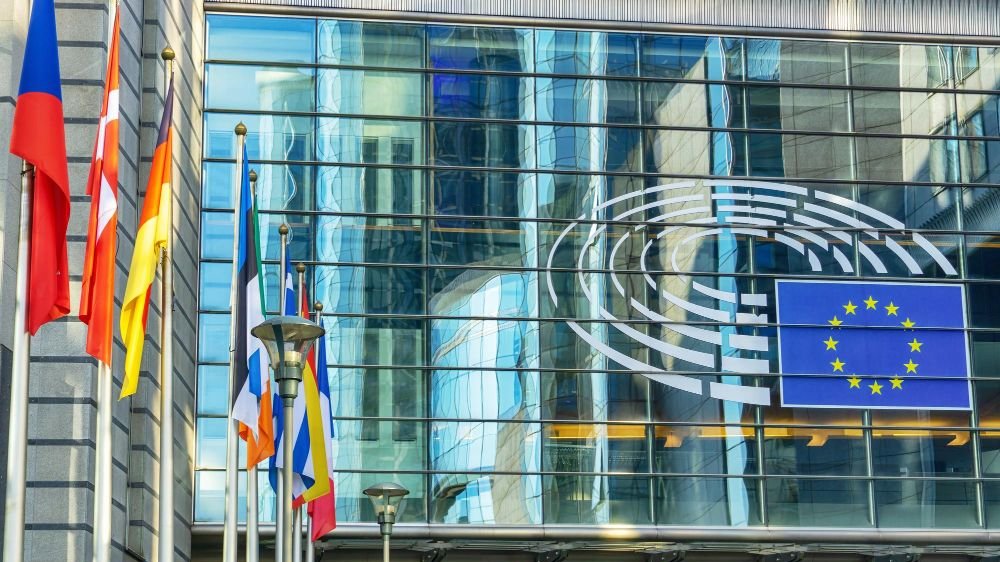
Small and medium-sized businesses across the European Union are facing a more demanding compliance environment as the EU’s new anti-greenwashing framework moves closer to enforcement. Directive (EU) 2024/825 required member states to adopt and publish national implementing measures by 27 March 2026, and those measures will apply from 27 September 2026, creating a clear deadline for companies to review how they communicate sustainability claims.
The directive is designed to strengthen consumer protection by targeting unfair commercial practices and improving the quality of environmental information presented to buyers. For businesses, that means sustainability messaging can no longer rely on vague, generic or weakly substantiated claims if those claims could influence purchasing decisions.
In practical terms, the new rules raise the risk for companies using expressions such as “eco-friendly,” “green,” or “carbon neutral” without solid and verifiable evidence. The directive also tightens the rules around misleading environmental comparisons, unreliable sustainability labels, and claims that may give consumers a false impression of a product’s environmental performance.
For founders and SME leaders, this is no longer just a marketing issue. Environmental positioning is becoming a legal, commercial and operational risk area. A business may believe it is simply improving its brand image or responding to consumer demand, but under the new regime, unsupported sustainability language could expose it to scrutiny from regulators and consumer protection authorities in any EU market. This is an inference from the directive’s scope and enforcement structure.
The directive also broadens the compliance challenge beyond advertising copy. EU summaries say the amended rules are also meant to improve information available to consumers on product durability and reparability at the point of sale, which means businesses may need stronger coordination between management, legal, product, compliance and marketing teams.
This matters particularly for SMEs because many smaller companies do not have dedicated compliance departments and often use sustainability language informally across websites, packaging, e-commerce listings and promotional campaigns. What may have seemed commercially acceptable in recent years can now become a source of regulatory vulnerability if the claim is too broad or cannot be properly substantiated. That business risk framing is an inference from the directive’s new standards.
With the 27 September 2026 application date approaching, environmental communication is becoming a board-level issue for businesses that want to avoid legal exposure and protect commercial credibility. Across the EU, companies that continue to rely on loose sustainability messaging may soon find that what once looked like effective branding has become a regulatory liability.
The directive is designed to strengthen consumer protection by targeting unfair commercial practices and improving the quality of environmental information presented to buyers. For businesses, that means sustainability messaging can no longer rely on vague, generic or weakly substantiated claims if those claims could influence purchasing decisions.

For founders and SME leaders, this is no longer just a marketing issue. Environmental positioning is becoming a legal, commercial and operational risk area. A business may believe it is simply improving its brand image or responding to consumer demand, but under the new regime, unsupported sustainability language could expose it to scrutiny from regulators and consumer protection authorities in any EU market. This is an inference from the directive’s scope and enforcement structure.
The directive also broadens the compliance challenge beyond advertising copy. EU summaries say the amended rules are also meant to improve information available to consumers on product durability and reparability at the point of sale, which means businesses may need stronger coordination between management, legal, product, compliance and marketing teams.
This matters particularly for SMEs because many smaller companies do not have dedicated compliance departments and often use sustainability language informally across websites, packaging, e-commerce listings and promotional campaigns. What may have seemed commercially acceptable in recent years can now become a source of regulatory vulnerability if the claim is too broad or cannot be properly substantiated. That business risk framing is an inference from the directive’s new standards.
With the 27 September 2026 application date approaching, environmental communication is becoming a board-level issue for businesses that want to avoid legal exposure and protect commercial credibility. Across the EU, companies that continue to rely on loose sustainability messaging may soon find that what once looked like effective branding has become a regulatory liability.


 Logic will get you from A to B. Imagination will take you everywhere
Albert Einstein
German-born Theoretical Physicist
German-born Theoretical Physicist